
- April 12, 2026
- 1794
- Did U Know? , News
- Comments Off on Behind the Words “Biomedical Purposes”:What Life at Ridglan Farms Really Means for Beagles
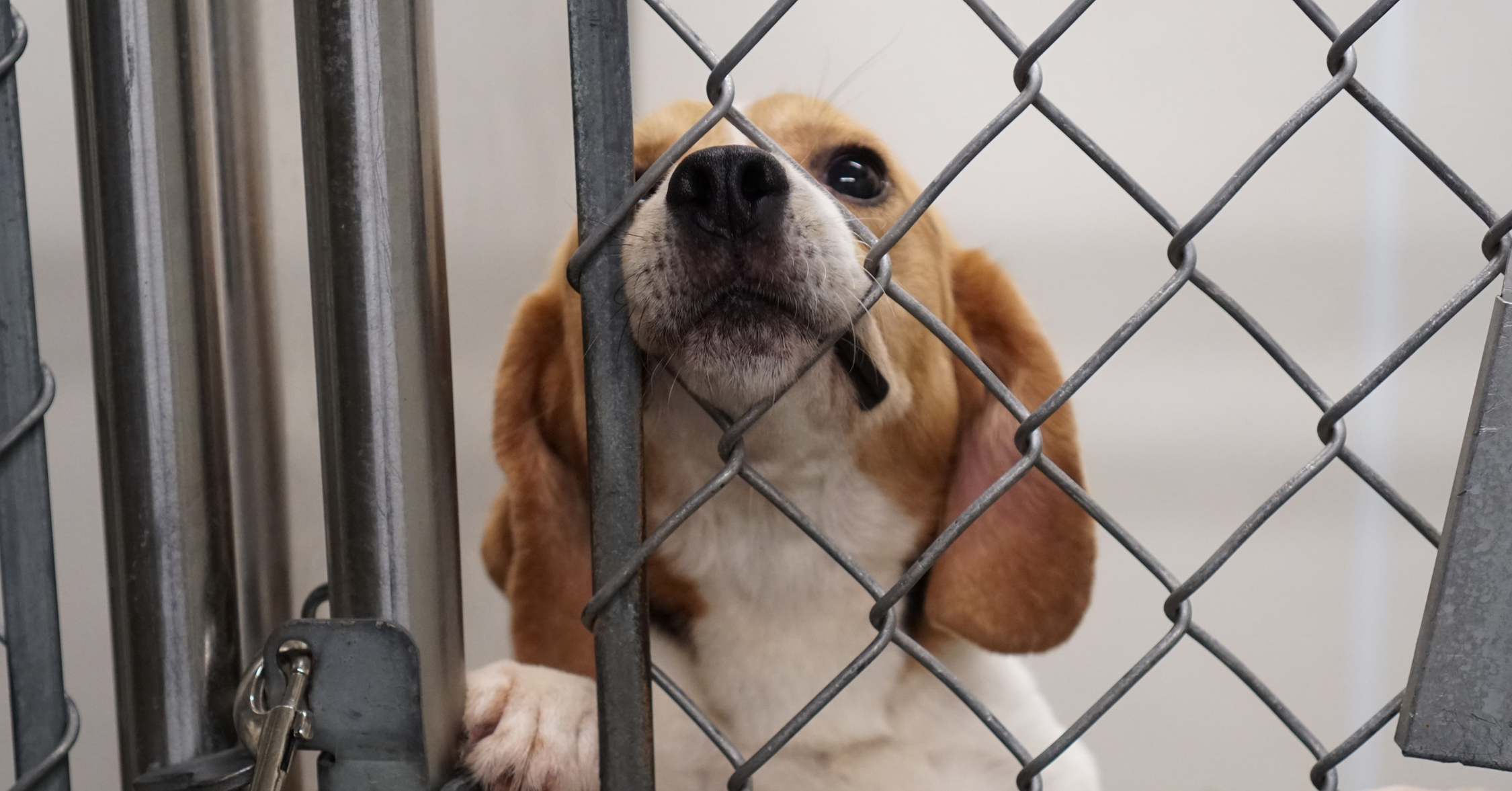
In Blue Mounds, Wisconsin, thousands of beagles have spent their lives behind the walls of Ridglan Farms, a facility that breeds dogs for what it calls “biomedical purposes.” That phrase sounds clean, technical, and distant. But distance is exactly what language like this is designed to create. It keeps the public from picturing what is actually happening to the animals inside: lives shaped entirely by confinement, handling, and eventual use in research systems.
So what does “biomedical purposes” actually mean? In plain English, it means dogs are bred for laboratories and experimental pipelines. These animals can be confined, observed, operated on, exposed to drugs or disease, and used in testing that may involve pain, distress, or death. The phrase makes it sound abstract and clinical. The reality is much more direct: dogs are bred not to be companions, but to become research commodities.
Ridglan has drawn growing scrutiny not just because it breeds beagles for laboratories, but because former employees and investigators have described what happened to dogs while they were still at the facility. According to reporting on court findings, former employees testified that dogs’ eyes and vocal cords were cut without pain medication or anesthesia. Judge Rhonda Lanford found probable cause to believe Ridglan had committed crimes under Wisconsin animal-cruelty laws, which led to the appointment of a special prosecutor.
The details are hard to read because they should be. Reporting has described “cherry-eye” removal procedures in which inflamed eye glands were cut off, often by workers who were not licensed veterinarians or veterinary technicians, and often with no anesthetic, pain control, or aftercare. The same reporting says workers also described past mass devocalization surgeries, in which dogs’ vocal cords were snipped to make it harder for them to bark. This is what sterile language hides: not just breeding, but mutilation and suffering dressed up in procedural terms.
Beagles are not chosen by accident. They are chosen because they are small, gentle, social, and easy to handle. The very traits that make them beloved family pets also make them convenient for an industry that depends on compliance and confinement. Their friendliness becomes a vulnerability. Their trust becomes part of the business model.
And Ridglan is not just a place where dogs are bred and warehoused. It has been described as part of a larger pipeline that sends dogs to universities, labs, and research institutions around the country, including public institutions. Records and reporting have linked Ridglan to laboratory buyers and research programs that rely on a steady supply of purpose-bred dogs.
This is why the phrase “biomedical purposes” matters so much. It is not just vague. It is protective. It shields the industry from the emotional clarity that plain language would bring. “Purpose bred” sounds neutral. “Dogs bred for lab use” sounds closer to the truth. “Devocalized beagles kept in cages and sold into experimentation” is closer still. Sometimes the most important thing an article can do is take the mask off the wording.
Public pressure has started to crack the facade. Dane County announced that Ridglan agreed to surrender its Wisconsin dog seller and dog facility operator license effective July 1, 2026, after an investigation into alleged animal-cruelty violations. That is significant progress, but it does not erase what happened to the dogs who have already lived and died in this system.
Now activists say they are preparing for another action on April 19, 2026, aimed at rescuing the roughly 2,000 beagles believed to remain there. Earlier efforts removed only a small number of dogs. Whether one calls it rescue, protest, or civil disobedience, the deeper issue remains the same: thousands of defenseless animals have been bred into a system that treats them as tools first and living beings second.
Wisconsin should not let “biomedical purposes” function as a moral tranquilizer. People deserve to know what the phrase covers. It covers dogs bred into confinement. It covers reported surgeries on eye glands without pain relief. It covers vocal cords cut so barking is quieter. It covers an industry that depends on the public not looking too closely. Once people do look closely, the euphemism stops working. And maybe that is exactly why so many are speaking out now.
If you want to foster, help, donate or sign the petition savethedogs.io
Comments
0 comments





 Login with Google