
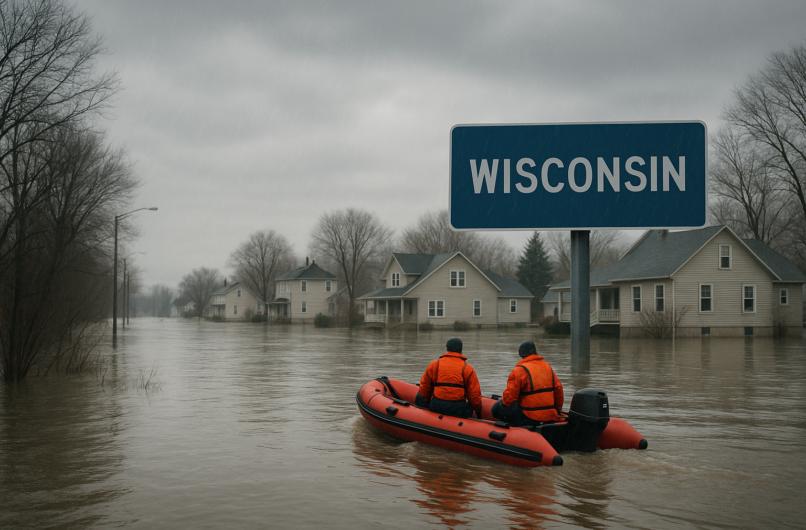
Spring Storms Bring Evacuations from Flooding in Wisconsin

- April 16, 2026
- 122
- Did U Know?
- Comments Off on Spring Storms Bring Evacuations from Flooding in Wisconsin
As the snow melts and spring rains arrive, many communities in Wisconsin face the challenges of rising waters and potential flooding. Each year, spring storms can cause dangerous flood conditions that lead to evacuations and disrupt daily life. Understanding the risks and preparing in advance can help you stay safe during these unpredictable weather events.
Why Spring Storms Cause Flooding in Wisconsin
Wisconsin’s landscape and climate make it especially vulnerable to spring flooding. After months of snow accumulation, the melting snowpack saturates the ground, reducing its ability to absorb additional water from rain. When heavy spring storms bring rainfall on top of that, rivers and streams can quickly swell beyond their banks. Low-lying areas, river valleys, and regions near lakes are often the most affected.
Communities Most at Risk
Counties along the Wisconsin River, Mississippi River, and other major waterways frequently issue flood warnings during spring storms. Cities like La Crosse, Wausau, and Eau Claire often experience rising water levels requiring vigilance. Rural farmland and smaller towns near creeks and floodplains are also vulnerable, sometimes with limited infrastructure to manage large volumes of water.
What to Do if You Face an Evacuation Order
Evacuations are issued when flooding threatens homes, roads, or critical infrastructure. If local officials order an evacuation, it’s important to respond quickly. Prepare an emergency kit with essentials such as medications, important documents, clothing, and food. Secure your property by moving valuables to higher ground and unplugging electrical devices if time permits. Follow evacuation routes provided by authorities and avoid driving through flooded roads, which are often deeper and more dangerous than they appear.
How to Prepare Before Flooding Occurs
Proactive preparation can reduce the impact of spring floods. Keep an emergency supply kit ready year-round. Monitor weather reports through local news and the National Weather Service. Consider flood insurance if you live in a high-risk area, as standard homeowners policies typically don’t cover flood damage. Elevate electrical systems and appliances where possible, and ensure that drainage around your home directs water away from the foundation.
The Role of Community and Government
Local governments in Wisconsin often coordinate flood response efforts, including sandbag distribution, emergency shelters, and road closures. Community volunteers and organizations sometimes assist with flood mitigation and recovery. Staying informed through county emergency management offices and signing up for text or email alerts can keep you connected to important updates during storm events.
Conclusion
Spring storms bring much-needed rain to Wisconsin but also pose risks of severe flooding that can affect thousands of residents. Being aware of flood-prone areas, preparing an emergency plan, and heeding evacuation orders are essential steps in staying safe. Let the changing seasons inspire you to get ready — so you and your loved ones can weather the storms with confidence.
Comments
0 comments





 Login with Google